
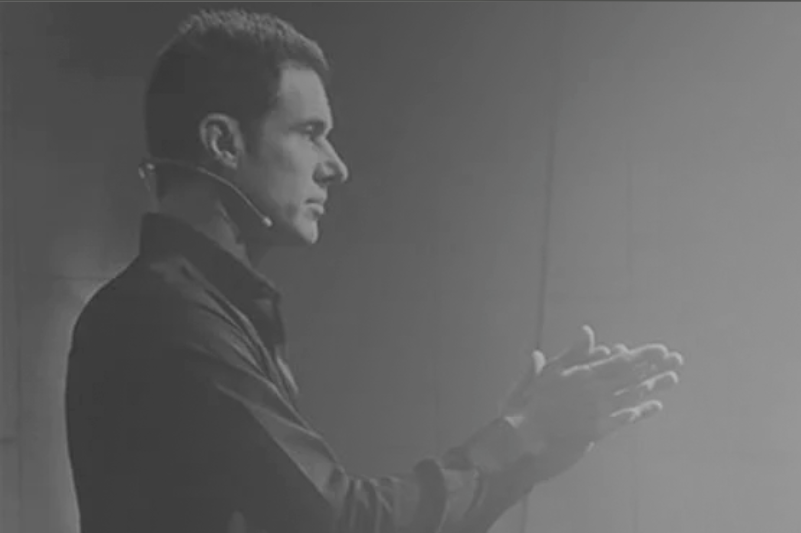
David Bayer – Whole Human Framework
Introduction
Personal growth in today’s world often feels fragmented. One program focuses only on mindset, another on health, and another on business or money. Many people improve one area of life while silently struggling in others. This gap is exactly where David Bayer – Whole Human Framework stands out. It offers a deeply integrated approach to personal transformation, designed to help individuals evolve mentally, emotionally, physically, and professionally—at the same time.
Created by David Bayer, this framework is not a motivational theory or short-term self-help tactic. It is a structured system built to reprogram identity, align habits, and create sustainable success from the inside out. Instead of fixing surface-level problems, it works at the root—human behavior, belief systems, and internal operating patterns.
This article provides a complete, in-depth explanation of the framework, its philosophy, core pillars, benefits, and who it is best suited for.
Who Is David Bayer?
David Bayer is a globally recognized entrepreneur, mindset strategist, and transformational coach. His work is focused on helping people break free from internal limitations that block success in life and business. Having experienced extreme personal and financial challenges early in life, he rebuilt himself by studying psychology, neuroscience, and human behavior.
What makes his approach unique is that he does not rely on hype or motivation alone. Instead, his teachings emphasize identity transformation—changing who you are, not just what you do. This philosophy eventually led to the creation of a system that addresses the entire human experience rather than isolated goals.
What Is the Whole Human Framework?
The Whole Human Framework is a complete life optimization system that treats a person as an interconnected ecosystem. Every area of life—mindset, emotions, health, relationships, money, and purpose—affects the others. Ignoring one creates imbalance; optimizing all creates flow.
Rather than asking, “What do I need to do to succeed?”, the framework asks a more powerful question:
“Who do I need to become to naturally create success?”
The system works by helping individuals:
Identify unconscious patterns that shape behavior
Rebuild identity at a neurological and emotional level
Align daily habits with long-term vision
Create congruence between thoughts, actions, and outcomes
This is why results tend to be sustainable, not temporary.
Core Philosophy Behind the Framework
At its foundation, the framework is built on three core principles:
1. Identity Creates Results
External results are a reflection of internal identity. If someone tries to achieve growth without upgrading identity, progress will always feel forced and unstable.
2. Humans Are Systems, Not Single Problems
Low confidence, lack of discipline, burnout, or inconsistency are symptoms—not root causes. The framework addresses the full system instead of patching symptoms.
3. Alignment Is More Powerful Than Motivation
Motivation fades. Alignment lasts. When beliefs, emotions, habits, and environment are aligned, success becomes natural rather than exhausting.
The Main Pillars of the Whole Human Framework
1. Mindset and Belief Reprogramming
This pillar focuses on uncovering and replacing limiting beliefs formed through past experiences, conditioning, and emotional trauma. These beliefs often operate unconsciously and dictate behavior without awareness.
Key outcomes include:
Increased clarity and self-trust
Reduced fear and self-doubt
Strong internal decision-making ability
Through structured mental conditioning, individuals learn how to consciously choose empowering perspectives rather than default reactions.
2. Emotional Regulation and Nervous System Control
Many people fail not because of lack of knowledge, but because emotions control their actions. Stress, anxiety, guilt, and overwhelm can sabotage even the best plans.
This pillar trains individuals to:
Understand emotional triggers
Regulate the nervous system under pressure
Respond intentionally instead of reacting impulsively
When emotional mastery improves, consistency and confidence naturally follow.
3. Physical Health and Energy Optimization
The framework recognizes that mental performance and emotional stability depend heavily on physical health. Poor sleep, nutrition, and movement lead to low energy, brain fog, and burnout.
This section emphasizes:
Sustainable health routines
Energy management rather than exhaustion
Body-mind connection for peak performance
Instead of extreme fitness rules, the focus is on habits that support long-term vitality.
4. Identity-Based Habit Formation
Traditional habit systems focus on discipline. This framework focuses on identity alignment. When actions match self-image, habits become automatic.
Participants learn how to:
Build habits that feel natural, not forced
Eliminate self-sabotaging behavior
Maintain consistency even during stress
This approach removes the cycle of starting strong and quitting later.
5. Purpose, Vision, and Meaning
Without a clear internal “why,” success often feels empty. This pillar helps individuals reconnect with purpose beyond money or status.
It supports:
Defining a meaningful personal vision
Aligning career and lifestyle with values
Creating fulfillment alongside achievement
Purpose becomes a stabilizing force that guides decisions and priorities.
6. Performance, Business, and Life Integration
The final pillar integrates internal transformation into external performance. This is where mindset and identity translate into results.
Focus areas include:
Decision-making under uncertainty
Leadership presence and communication
Sustainable success without burnout
The goal is not hustle—it is intelligent, aligned execution.
How the Framework Is Different from Traditional Self-Help
Most personal development programs focus on one dimension:
Mindset only
Business strategy only
Motivation only
The Whole Human Framework is different because it:
Works on subconscious identity, not surface behavior
Integrates neuroscience, psychology, and embodiment
Emphasizes long-term transformation, not quick wins
Instead of pushing people harder, it helps them become someone who no longer needs to push.
Who Is This Framework Best For?
This system is ideal for:
Entrepreneurs and business owners
Professionals seeking clarity and balance
Individuals feeling stuck despite external success
People who want deep, lasting personal growth
It is especially powerful for those who have tried multiple courses or coaches but still feel misaligned internally.
Benefits of Following the Whole Human Approach
Greater emotional stability
Clearer thinking and focus
Stronger discipline without burnout
Improved health and energy
Aligned success in life and work
Most importantly, it creates a sense of internal peace while pursuing external goals.
Long-Term Impact and Sustainability
The true strength of this framework lies in sustainability. Because it changes identity and internal operating systems, results continue even after structured training ends.
Participants often report:
Permanent mindset shifts
Healthier relationships with work and money
Reduced stress and self-sabotage
Consistent growth without emotional exhaustion
This makes it a long-term life philosophy rather than a temporary program.
Final Thoughts
David Bayer – Whole Human Framework represents a modern evolution of personal development. It moves beyond motivation, hacks, and surface-level success to address what truly drives human behavior. By aligning mind, body, emotions, and purpose, it offers a complete roadmap for those seeking real transformation.
For individuals who want success without sacrificing health, clarity, or fulfillment, this framework provides a structured, intelligent, and deeply human solution.




Reviews
There are no reviews yet.