
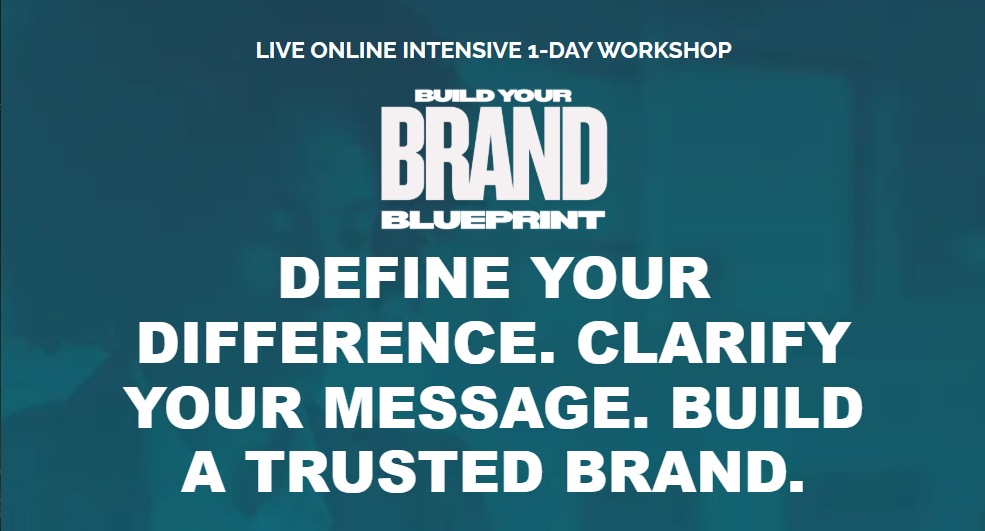
Introduction: The New Era of Personal Branding
The digital world has changed forever. In today’s attention economy, your personal brand is your most valuable asset. Whether you are a creator, entrepreneur, consultant, or business owner, the way you present yourself online determines your opportunities, income, and influence.
But building a powerful brand used to take years.
Now, artificial intelligence has completely transformed the process.
AI Personal Brand Blueprint — The Build Room is a structured system designed to help individuals build a strong, profitable personal brand using AI tools, automation, and strategic positioning. It is not about posting randomly on social media. It is about building authority with clarity, systems, and intelligent execution.
This guide explains everything in deep detail — from foundation to monetization — so you understand exactly how this framework works.
What Is AI Personal Branding?
AI personal branding is the strategic use of artificial intelligence tools to:
Define your niche and positioning
Create high-quality content faster
Automate research and planning
Improve messaging clarity
Analyze audience behavior
Scale your online presence
Instead of guessing what to post or how to grow, AI helps you make data-driven decisions while saving massive time.
The result? Faster growth, stronger authority, and higher income potential.
Understanding “The Build Room” Concept
The “Build Room” represents a structured environment where your brand is engineered with precision.
Most people treat personal branding casually. They:
Post without strategy
Copy trends
Switch niches frequently
Burn out quickly
The Build Room approach is different. It treats your brand like a startup.
Inside this framework, you:
Define identity clearly
Create a repeatable content engine
Build audience trust
Launch monetization systems
Scale with automation
It is systematic, not chaotic.
Phase 1: Identity Engineering
Before content, before marketing, before monetization — clarity comes first.
1. Niche Clarity
You must answer:
Who exactly do I serve?
What specific problem do I solve?
Why should people trust me?
AI tools help analyze:
Market gaps
Trending demand
Audience pain points
Keyword opportunities
Instead of choosing a niche emotionally, you choose strategically.
2. Authority Positioning
Authority is not about being famous.
It is about:
Clear messaging
Consistent expertise
Demonstrated knowledge
You craft a positioning statement that makes people instantly understand your value.
Example structure:
I help [specific audience] achieve [specific result] using [unique method].
This clarity separates professionals from hobbyists.
Phase 2: Content Engine Creation
Content builds visibility.
But random content builds confusion.
The Build Room focuses on creating a structured content engine.
Content Pillars Framework
You develop 3–5 core pillars such as:
Education
Proof / Results
Personal Story
Industry Insight
Mindset
Every piece of content fits into one of these pillars. This prevents inconsistency.
AI-Powered Content Research
Instead of guessing what your audience wants, AI can help:
Generate topic clusters
Identify common questions
Analyze competitor gaps
Create outlines
This ensures your content stays relevant and strategic.
Long-Form + Short-Form Strategy
A powerful brand uses layered content:
Long-form (blogs, YouTube, newsletters)
Short-form (Instagram, Reels, Shorts, LinkedIn posts)
Long-form builds authority.
Short-form builds reach.
Both combined create dominance.
Phase 3: Visibility and Distribution Systems
Content creation alone is not enough.
Distribution is what drives growth.
Platform Selection Strategy
Instead of being everywhere, you choose:
One primary platform
One secondary platform
One search-based platform
For example:
YouTube + Instagram + Google Blog
LinkedIn + Twitter + Newsletter
The goal is strategic omnipresence, not burnout.
SEO Integration
Search engine optimization is crucial for long-term visibility.
Optimized:
Titles
Meta descriptions
Internal linking
Keyword placement
Structured headings
This creates compounding growth over time.
Organic traffic is predictable and powerful.
Phase 4: Authority Building Mechanisms
Authority is built through proof.
Social Proof
Examples include:
Testimonials
Case studies
Screenshots
Results documentation
People trust evidence more than promises.
Thought Leadership
Instead of copying trends, you:
Share original frameworks
Present strong opinions
Break down complex ideas simply
This makes you memorable.
Consistency System
Most creators fail due to inconsistency.
The Build Room emphasizes:
Content calendar
Weekly production system
Automation tools
Batch creation
Consistency builds trust.
Trust builds revenue.
Phase 5: Monetization Blueprint
Attention without monetization is wasted.
A strong personal brand creates multiple income streams.
1. Digital Products
Courses
Templates
Workshops
E-books
High margins and scalable.
2. Consulting or Coaching
Premium positioning allows higher pricing.
When authority increases, pricing power increases.
3. Affiliate Marketing
Recommend tools aligned with your niche.
Trust-driven recommendations convert strongly.
4. Community Model
Private paid communities generate recurring income.
Monthly subscription = predictable revenue.
The Psychology Behind Personal Brand Growth
Understanding psychology gives advantage.
Authority Bias
People trust perceived experts.
Professional branding elements like:
Clean visuals
Clear messaging
Structured content
increase perceived authority.
Repetition Effect
Repeated exposure builds familiarity.
Familiarity builds trust.
Trust builds sales.
Value First Strategy
Give more value than expected.
When audience receives consistent insights, loyalty increases naturally.
Automation and AI Leverage
AI is not here to replace creativity.
It is here to amplify productivity.
It can help with:
Idea generation
Script writing
Headline testing
Email drafting
Analytics interpretation
But strategy remains human.
AI accelerates execution.
Mistakes to Avoid
Even with a powerful framework, many make errors.
1. Overposting Without Strategy
Quantity without clarity damages brand perception.
2. Copying Others
Borrow inspiration.
Never copy identity.
3. Ignoring Monetization
Build revenue pathways early.
4. Switching Niches Frequently
Authority compounds in one direction.
Stay focused.
Long-Term Vision: Brand as an Asset
Your brand is not just social media.
It is:
Digital real estate
Audience ownership
Intellectual property
Income engine
In 3–5 years, a strong personal brand can:
Generate passive revenue
Create speaking opportunities
Attract partnerships
Build business leverage
It becomes a long-term wealth vehicle.
Who Should Use This Framework?
This blueprint is ideal for:
Coaches
Consultants
Content creators
Agency owners
Entrepreneurs
Students building online income
Professionals transitioning to digital
Anyone serious about authority growth can benefit.
Final Thoughts
The online world is crowded.
But clarity always wins.
AI Personal Brand Blueprint — The Build Room is not about chasing trends. It is about engineering influence.
When identity, content, visibility, authority, and monetization are aligned, growth becomes predictable.
In a world where everyone posts, the structured builders win.
If executed correctly, this system transforms not just your online presence — but your entire income potential.


Reviews
There are no reviews yet.