
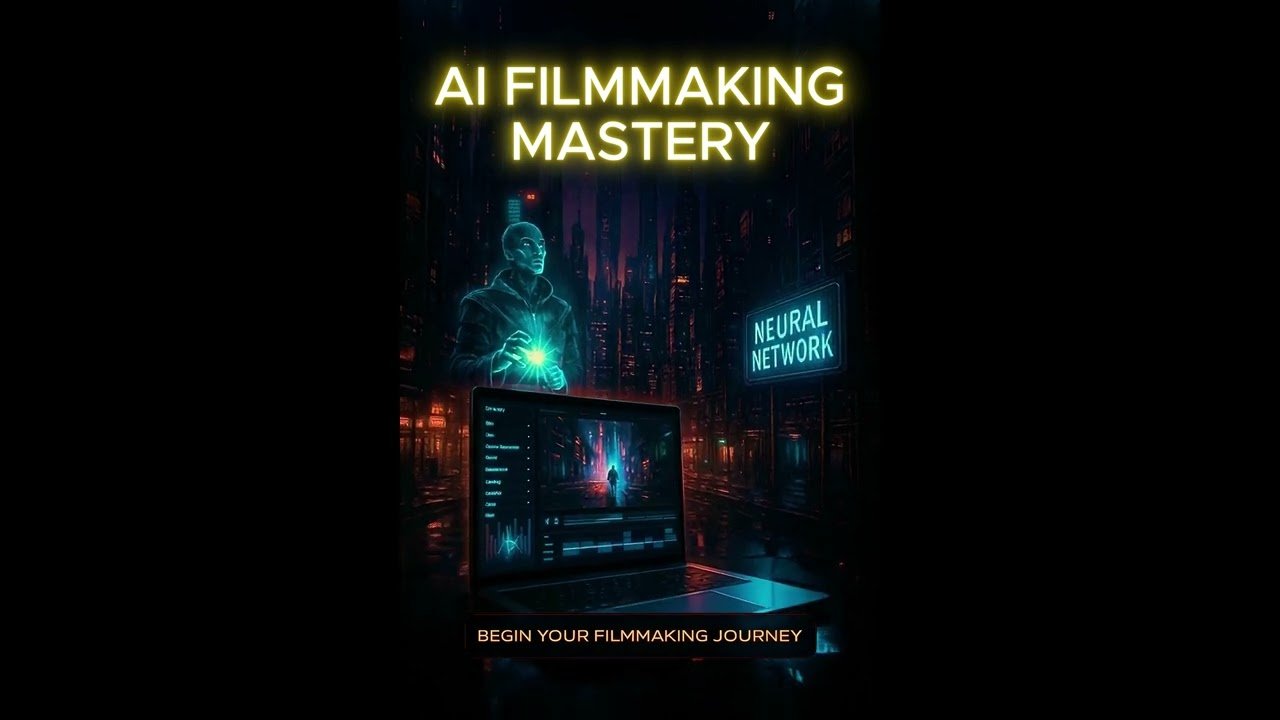
Beau W. Green – AI Filmmaking Mastery
Introduction: The New Era of Intelligent Cinema
The filmmaking industry is experiencing a historic transformation as artificial intelligence reshapes how stories are imagined, produced, edited, and distributed across global platforms. In this rapidly evolving creative landscape, Beau W. Green – AI Filmmaking Mastery stands out as a structured, future-focused approach that blends cinematic storytelling with cutting-edge machine intelligence. This mastery framework is not about replacing human creativity; instead, it enhances artistic vision through intelligent tools, strategic workflows, and scalable production methods designed for modern creators.
From independent filmmakers and content entrepreneurs to studio professionals and digital marketers, AI-driven filmmaking now offers unprecedented speed, flexibility, and creative freedom. Understanding this shift is no longer optional—it is essential for anyone aiming to stay relevant in the next decade of visual storytelling.
Understanding AI Filmmaking at Its Core
AI filmmaking refers to the integration of machine learning models, generative systems, and automation tools across the entire film production lifecycle. This includes script development, storyboarding, casting simulations, virtual cinematography, editing, sound design, and even distribution analytics.
Unlike traditional filmmaking, which often demands large crews and extensive budgets, AI-assisted production allows creators to prototype ideas quickly, test multiple creative directions, and refine output with data-driven insights. The mastery approach emphasizes intelligent collaboration between human intuition and algorithmic precision, ensuring that storytelling remains emotionally resonant while benefiting from technological efficiency.
The Vision Behind This Filmmaking Mastery
At its foundation, this mastery framework is built on the belief that technology should empower storytellers rather than intimidate them. The philosophy encourages filmmakers to think like both artists and system designers, understanding how AI tools can amplify narrative impact without compromising authenticity.
By combining cinematic principles—such as pacing, character arcs, and visual composition—with AI capabilities like predictive modeling and generative visuals, creators gain a competitive edge. This vision aligns strongly with modern content demands, where audiences expect high-quality visuals delivered consistently across multiple platforms.
Key Pillars of the Mastery Framework
1. AI-Enhanced Story Development
Story ideation is often the most time-consuming phase of filmmaking. AI tools can analyze thousands of narrative structures, genre trends, and audience preferences to support writers in developing compelling scripts. Rather than generating generic stories, these systems act as creative collaborators, offering alternative plot directions, dialogue refinements, and pacing suggestions.
This approach allows filmmakers to focus on emotional depth and originality while reducing creative blocks and development cycles.
2. Pre-Production Intelligence
Pre-production benefits significantly from AI simulation and planning tools. Shot lists, storyboards, and location designs can be generated or optimized using visual models that predict lighting, camera angles, and scene transitions. Budget forecasting algorithms also help creators allocate resources efficiently, minimizing costly surprises during production.
3. Virtual Production and AI Cinematography
Virtual sets, AI-driven cameras, and real-time rendering engines enable filmmakers to visualize scenes before stepping onto a physical set. These technologies support experimentation with framing, movement, and color grading in ways that were previously limited to high-budget studios.
Within Beau W. Green – AI Filmmaking Mastery, virtual production is treated as a creative playground where ideas can be tested, refined, and perfected before final execution.
4. Intelligent Editing and Post-Production
Post-production is where AI truly shines. Automated editing systems can analyze footage for emotional beats, facial expressions, and audio clarity, suggesting cuts that align with narrative intent. Sound design, music scoring, and visual effects can also be enhanced through generative AI, reducing turnaround time while maintaining professional quality.
Editors retain full creative control, using AI recommendations as a starting point rather than a final decision.
How This Mastery Transforms Independent Filmmaking
Independent filmmakers often face limitations in budget, manpower, and time. This mastery framework democratizes high-quality filmmaking by providing access to tools that scale creativity rather than expenses. A solo creator can now perform tasks that once required entire departments, from visual effects to advanced color correction.
This shift not only lowers entry barriers but also encourages experimentation. Filmmakers can iterate faster, release content more frequently, and adapt to audience feedback in near real time.
Real-World Applications and Use Cases
AI-driven filmmaking mastery is already influencing various sectors:
Short films and web series produced with minimal crews
Brand storytelling and advertisements optimized through audience analytics
Educational and documentary content enhanced by automated research and visualization
Social media video production scaled for multiple platforms
In each case, creators benefit from faster workflows, consistent quality, and deeper insight into viewer engagement patterns.
Ethical Creativity and Responsible AI Use
A critical component of this mastery approach is ethical awareness. AI tools must be used responsibly, with respect for originality, intellectual property, and cultural sensitivity. The framework promotes transparency in AI usage and encourages creators to maintain human oversight at every stage.
By balancing innovation with responsibility, filmmakers can build trust with audiences while exploring new creative frontiers.
Skillsets Developed Through This Mastery
Those who embrace this filmmaking approach gradually develop a hybrid skillset that combines creative storytelling with technical fluency. These skills include:
Narrative design supported by data insights
Visual literacy across real and virtual environments
Workflow automation and optimization
Audience-centric content strategy
Such capabilities are increasingly valuable as the media industry converges with technology and analytics.
The Future of Cinema and Intelligent Storytelling
As AI models become more sophisticated, the line between imagination and execution will continue to blur. Future filmmakers will spend less time on repetitive tasks and more time shaping meaning, emotion, and cultural relevance. Beau W. Green – AI Filmmaking Mastery represents a forward-looking blueprint for this future, where creativity is amplified rather than constrained by technology.
This evolution does not signal the end of traditional filmmaking values. Instead, it marks a renaissance in which timeless storytelling principles coexist with intelligent systems designed to support them.
Why This Mastery Matters Today
In a content-saturated world, standing out requires more than talent alone. Speed, adaptability, and strategic insight now define success. This mastery framework equips filmmakers with tools and mindsets needed to thrive in competitive digital ecosystems while preserving artistic integrity.
By embracing AI as a collaborator, creators position themselves at the forefront of cinematic innovation.
Conclusion: Redefining the Filmmaker’s Journey
The journey of a filmmaker has always involved learning, experimentation, and evolution. With the rise of intelligent tools, that journey is accelerating in remarkable ways. Beau W. Green – AI Filmmaking Mastery encapsulates this transformation by offering a structured, ethical, and creatively empowering approach to modern cinema.




Reviews
There are no reviews yet.