
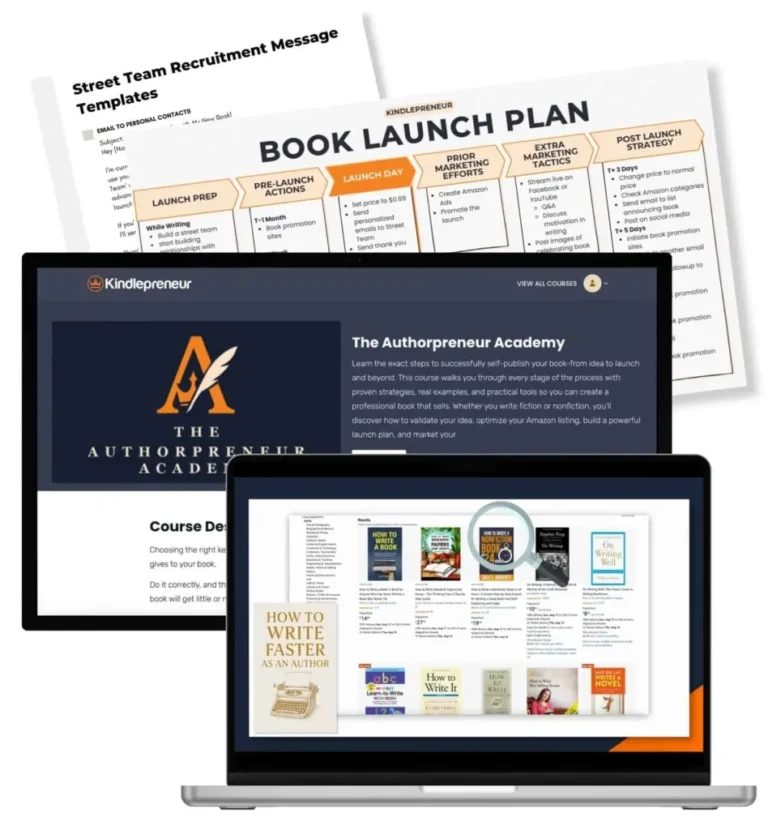
The Modern Roadmap for Serious Writers
Becoming a successful writer today is not about luck or waiting for a big publishing contract. It’s about developing the right skills, understanding the business behind books, and learning to think like a creator who builds a long-term brand. Programs like Dave Chesson – Authorpreneur Academy have made many creators realize that writing is both an art and an entrepreneurial journey. But even outside any course, every writer can follow a structured path to turn their passion into a meaningful, profitable career.
This guide walks through that path in detail—covering craft, marketing, mindset, strategy, and the systems needed to thrive in today’s competitive but opportunity-filled writing world.
1. Understanding the Role of an Author in Today’s Market
In the past, an author’s job ended with writing a manuscript. Today, authors are not just storytellers—they’re communicators, marketers, researchers, and brand builders. Readers now discover books through social media, YouTube channels, book blogs, podcasts, newsletters, and targeted search results. That means a modern author must understand how to create visibility.
Visibility is no longer accidental. It comes from consistent effort, smart positioning, and a deep understanding of what readers want. Successful writers treat their books like products that must be tested, marketed, optimized, and improved, just like any business offering.
This doesn’t diminish the art—it enhances it. Creativity thrives when it reaches people.
2. Mastering the Core Skill: Writing That Resonates
Every great writing career starts with the craft. There is no marketing strategy strong enough to save a poorly written book. Craft is built through:
• Clear Narrative Voice
Readers latch onto voice more than anything else. Whether writing fiction or nonfiction, your voice should feel confident, consistent, and authentic.
• Understanding Structure
Fiction relies on story arcs, pacing, conflict, character transformation, and emotional beats.
Nonfiction requires clarity, logical flow, helpful explanations, and actionable value.
• Editing as a Discipline
The first draft is discovery, the second draft is shaping, and the third draft is polishing. Treat editing as the stage where a book becomes professional, not as a boring afterthought.
• Reader-First Writing
The most successful authors understand their audience deeply and write for their needs. Whether you aim to entertain, inspire, or educate, the reader’s experience must guide decisions.
3. Developing the Author Mindset
Skill alone doesn’t build a writing career—mindset does. Writers often struggle with insecurity, fear of judgment, and inconsistency. Building a long-term writing journey requires:
Consistency Over Motivation
Waiting to “feel inspired” is the biggest reason many aspiring writers never finish their books. Professionals rely on systems and schedules, not mood.
Embracing Feedback
Constructive criticism is a tool. The best authors use test readers, editors, and peer groups to sharpen their work.
Viewing Writing as a Long-Term Path
A successful career rarely comes from one book. It comes from a body of work, each improving on the last.
Understanding the Business Side
Authors who succeed long term understand royalties, pricing models, market trends, and distribution strategies.
Resilience
Rejection, slow months, and creative blocks are part of the process. What matters is momentum, not perfection.
4. Building Your Author Brand
Modern authors need a personal brand—not in a superficial marketing sense, but as a clear identity that readers can trust and connect with. An author brand is composed of:
• Your Areas of Expertise or Genres
Readers should immediately know what you offer—thrillers, romance, fantasy, inspirational nonfiction, productivity, finance, or any niche.
• Your Unique Angle
This is the distinct flavor only you provide. It becomes your signature.
• Your Online Presence
You don’t need to be everywhere. Choose platforms where you genuinely enjoy engaging:
YouTube for in-depth content
Instagram or Facebook for community
TikTok for storytelling clips
Email newsletters for relationship-building
Podcasts for longform conversation
• Consistency in Message and Style
Branding is not logos or colors—it’s the feeling readers associate with you.
5. Crafting a Book That Sells Itself
A successful book is not only well-written; it is well-positioned. Several things shape a book’s market performance even before a single reader opens it:
• Strong Title and Subtitle
Titles attract curiosity; subtitles deliver clarity.
• Professional Cover Design
A cover must fit the genre while looking modern and eye-catching.
• Compelling Book Description
The description must promise value, emotion, or transformation.
It should answer: Why should someone buy this?
• Keyword and Category Optimization
Even traditionally published authors pay attention to categorization so their books appear where readers are searching.
• Strategic Launch Planning
Early reviews, launch teams, teaser content, blog posts, and interviews create momentum before release week.
6. Understanding the Publishing Landscape
There are three main publishing routes:
1. Traditional Publishing
This path involves literary agents, publishing houses, and contracted deals.
Pros: prestige, professional support, distribution.
Cons: long timelines, less creative control, lower royalties.
2. Self-Publishing
Platforms like Amazon KDP, Draft2Digital, and IngramSpark allow authors full independence.
Pros: high royalties, full control, fast publishing.
Cons: requires you to manage editing, cover design, and marketing.
3. Hybrid Publishing
A mixture of both worlds—professional support with more control.
Understanding which path suits your goals is essential. No one approach is universally “better.”
7. Marketing That Actually Works for Authors
Marketing doesn’t have to feel overwhelming. Instead of trying everything, focus on what creates long-lasting growth:
• Search-Driven Discovery
Many readers discover books by searching online. This includes:
Optimized book descriptions
Blog articles around your topic
Podcasts and interviews
YouTube videos answering relevant questions
• Email Marketing
Your email list is your most powerful asset. It allows direct communication, book announcements, and relationship-building without relying on social media algorithms.
• Social Storytelling
Sharing your writing journey, behind-the-scenes glimpses, lessons learned, and personal stories humanizes your brand.
• Reader Communities
Facebook groups, Discord servers, Patreon memberships, or fan communities strengthen loyalty.
• Reviews and Social Proof
Ask for reviews. They are the backbone of online book sales.
• Long-Term Content Strategy
Instead of chasing trends, focus on content that can help readers for years—writing tips, research notes, book summaries, or storytelling breakdowns.
8. Scaling Your Author Career
Once you publish a book, the journey doesn’t end—it begins. Many successful writers build multiple income streams:
• Additional Books
Series, sequels, or companion guides expand your presence.
• Courses and Workshops
Sharing your knowledge turns your expertise into a scalable business.
• Speaking Engagements
Authors often get invited to speak at events, conferences, and schools.
• Consulting or Coaching
Many writers consult in their subject area—marketing, writing craft, business, self-development, or storytelling.
• Merchandising and Brand Extensions
Planners, journals, artwork, collectibles, and character-based merchandise add new revenue opportunities.
• Audiobooks and Foreign Rights
These extend your reach to new audiences and geographies.
The key is to treat authorship like a creative business that grows in chapters—not just in single moments.
9. The Long-Term Mindset: Creating a Legacy Through Writing
Every writer begins with a blank page, but the real journey is building something meaningful that lasts. A successful writing career is not about overnight fame; it’s about consistency, mastery, and service to readers.
The legacy of an author is shaped by:
The stories they tell
The impact they create
The relationships they build
The knowledge they share
The voice they leave behind
When a writer embraces both creativity and entrepreneurship, they unlock opportunities that previous generations never imagined.
In the end, the most powerful thing an author can do is continue learning, improving, experimenting, and connecting—because the world always needs more powerful stories and insightful ideas.



Reviews
There are no reviews yet.