
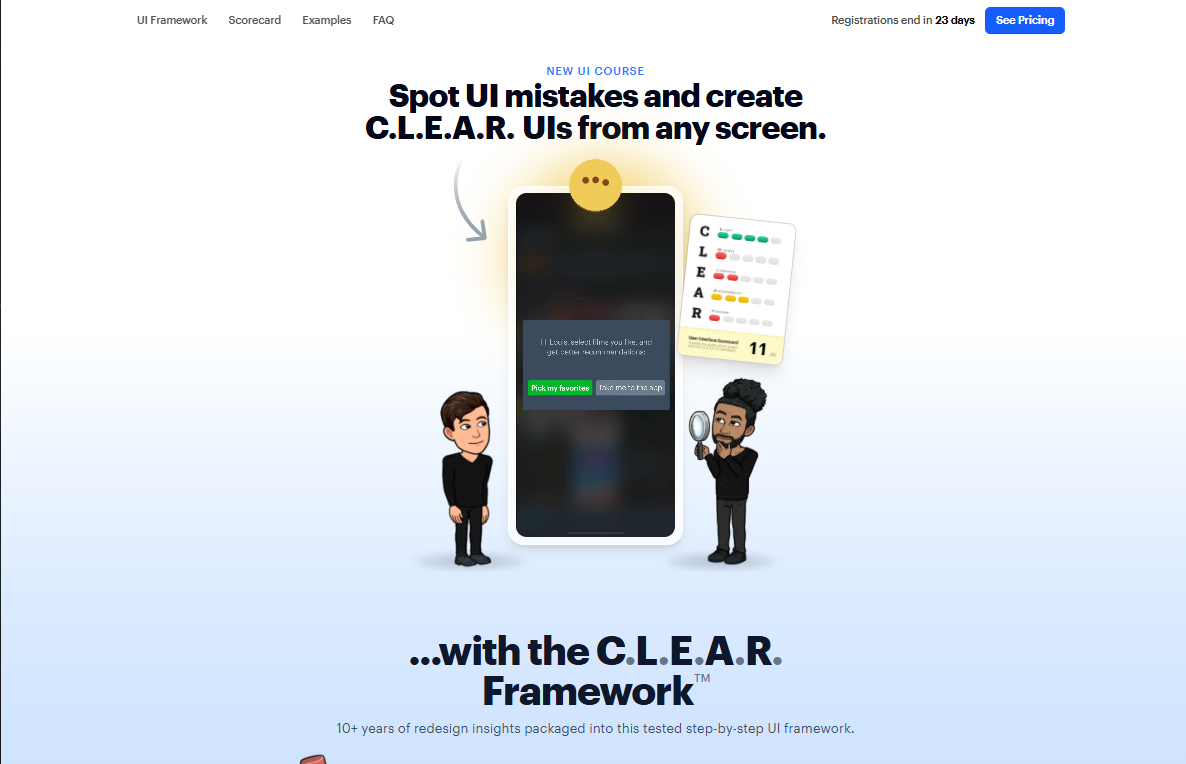
Growth.Design – The Psychology of UI Design
Introduction
Design is not only about colors, fonts, and layouts. The real power of design lies in understanding how the human brain works. When users visit a website or open an app, their decisions are influenced by psychology more than logic. Designers who understand human behavior can guide users smoothly toward actions such as signing up, purchasing a product, or completing a form.
This is where Growth.Design – The psychology of UI design becomes extremely valuable. It focuses on combining behavioral psychology with user interface design to create experiences that feel natural and persuasive. Instead of guessing what users want, designers use proven psychological principles to build interfaces that align with how people actually think and behave.
By studying these principles, designers, marketers, and product creators can build digital experiences that are intuitive, engaging, and conversion-focused.
What Is Growth.Design?
Growth.Design is an educational platform that explains how psychological principles influence user behavior in digital products. The platform uses storytelling, real case studies, and interactive lessons to show how companies design their products to guide user decisions.
Rather than focusing only on aesthetics, it emphasizes behavior-driven design. This means understanding what motivates users, what confuses them, and what encourages them to take action.
For example, many successful companies use subtle psychological triggers in their interfaces. These triggers are not manipulative when used responsibly; instead, they help users navigate products more easily and complete tasks without frustration.
Through practical lessons and visual examples, the platform demonstrates how psychology can be applied in real design situations.
Why Psychology Matters in UI Design
People rarely make decisions purely based on logic. Most actions are influenced by subconscious patterns, emotions, and mental shortcuts known as cognitive biases.
A well-designed interface takes these mental behaviors into account.
For instance, users often scan content instead of reading every word. They also prefer familiar patterns because they reduce cognitive effort. When designers understand these behaviors, they can create interfaces that feel effortless to use.
Psychology in UI design helps in several ways:
It reduces friction in user journeys
It improves engagement and usability
It increases conversion rates
It builds trust between users and products
By applying these principles, digital experiences become smoother and more intuitive.
Cognitive Biases in User Interface Design
Cognitive biases are mental shortcuts the brain uses to make quick decisions. These shortcuts influence how users interpret information and interact with digital interfaces.
Understanding these biases allows designers to predict user behavior and structure interfaces accordingly.
Some of the most important cognitive biases used in UI design include:
1. Social Proof
People often look at others when deciding what to do. If many users recommend a product, new visitors are more likely to trust it.
Examples include:
Customer reviews
Testimonials
Ratings and feedback
User numbers
When users see that others trust a product, they feel more comfortable using it themselves.
2. Scarcity Effect
When something appears limited or exclusive, people perceive it as more valuable.
This principle is commonly used in:
Limited-time offers
Countdown timers
Low-stock indicators
Scarcity increases urgency and encourages faster decision-making.
3. Anchoring Bias
The first piece of information users see often influences how they evaluate everything that follows.
For example, when a product shows a higher original price next to a discounted price, users perceive the discount as more valuable.
Anchoring helps guide perception and comparison during decision-making.
4. Loss Aversion
Humans naturally fear losing something more than they enjoy gaining something.
Interfaces can use this principle by highlighting what users might miss if they do not take action.
Examples include:
Trial expiration reminders
Subscription renewal notifications
Limited access warnings
This approach encourages users to maintain or upgrade their experience.
Storytelling in Product Design
One unique approach used in Growth.Design is storytelling.
Instead of explaining design concepts in complex theory, lessons are presented through engaging stories that simulate real user journeys. These stories show how users interact with products step by step and reveal the psychological triggers influencing their decisions.
Storytelling makes complex ideas easier to understand because people naturally connect with narratives. It also helps designers visualize how users experience a product in real situations.
By following a character through a digital journey, designers can identify points of friction and opportunities for improvement.
The Role of Emotional Design
Emotion plays a major role in user experience. When users feel comfortable, confident, and satisfied, they are more likely to continue using a product.
Emotional design focuses on creating positive feelings through visual and interaction elements.
This can include:
Friendly illustrations
Clear and supportive messaging
Smooth animations
Personalized experiences
Small emotional touches can transform a simple interface into a memorable product experience.
For example, many successful apps use welcoming messages and playful interactions that make users feel valued rather than overwhelmed.
Reducing Cognitive Load
Cognitive load refers to the mental effort required to process information. If an interface presents too many options or complex instructions, users may feel confused and leave the product.
Effective UI design reduces cognitive load by simplifying interactions.
Some strategies include:
Breaking tasks into smaller steps
Using clear visual hierarchy
Removing unnecessary elements
Providing helpful feedback
A simple interface allows users to focus on completing their goal instead of figuring out how the product works.
The Importance of Visual Hierarchy
Visual hierarchy helps users understand where to focus first.
When people visit a webpage, their attention is naturally drawn to certain elements based on size, contrast, spacing, and position.
Designers use these principles to guide users through a page.
For example:
Headlines capture initial attention
Subheadings organize information
Buttons highlight actions
White space improves readability
By carefully structuring visual elements, designers can lead users through a logical and comfortable experience.
Microinteractions and User Engagement
Microinteractions are small animations or responses that occur when users interact with a product.
Although subtle, these interactions play an important role in improving usability and engagement.
Examples include:
Button hover effects
Notification alerts
Progress indicators
Confirmation messages
Microinteractions provide feedback, reassure users that their actions are successful, and create a more interactive experience.
These small details contribute to a polished and professional interface.
Ethical Use of Psychological Design
While psychological principles can be powerful, they must be used responsibly.
Design should help users make better decisions, not manipulate them.
Ethical design focuses on:
Transparency
Honest communication
User benefit
Long-term trust
Products that misuse psychological techniques may achieve short-term gains but often lose credibility over time.
Responsible design ensures that both businesses and users benefit from the experience.
Benefits for Designers and Product Creators
Learning behavioral design principles provides several advantages.
Designers gain a deeper understanding of how users think and interact with technology. Instead of relying on assumptions, they can base decisions on psychological insights.
For product teams, this approach leads to:
Higher conversion rates
Better usability
Increased user retention
Stronger brand loyalty
When products align with natural human behavior, users feel comfortable and confident while using them.
Future of Psychology-Driven Design
As digital products continue to evolve, the integration of psychology and design will become even more important.
With the rise of artificial intelligence, personalized experiences, and data-driven interfaces, designers will have more opportunities to create highly tailored user journeys.
Understanding human behavior will remain at the center of these innovations.
Products that successfully combine technology with psychological insights will stand out in an increasingly competitive digital landscape.
Conclusion
The intersection of psychology and user interface design provides powerful insights into how people interact with digital products.
By applying behavioral principles, designers can create interfaces that are intuitive, engaging, and effective. Platforms that explore these concepts offer valuable lessons for anyone involved in product development, marketing, or UX design.
Understanding human behavior allows creators to design experiences that truly serve users while achieving business goals. When psychology and design work together, digital products become easier to use, more enjoyable, and ultimately more successful.



Reviews
There are no reviews yet.