
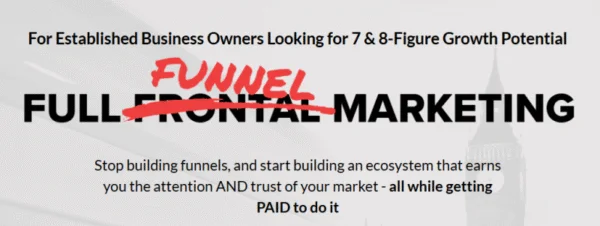
Taylor Welch – Offer Suites & Ecosystems: A Complete Deep-Dive Guide
In the business world, the biggest challenge entrepreneurs face is not talent, intelligence, or even hard work. It’s the architecture of their offers. Many founders create products or services that solve a problem, but only a few design those offers in a way that turn their brand into a long-term revenue engine. That’s where the concept behind Taylor Welch – Offer Suites & Ecosystems enters the picture—an approach built on strategically crafting, stacking, and aligning offers so a customer naturally ascends through a journey instead of making one-time purchases.
This guide breaks down the entire structure of the offer-ecosystem philosophy in a way that is simple, practical, and business-ready. Whether you run a coaching business, e-commerce brand, agency, SaaS tool, or info-product company, these principles can help you build a brand that generates consistent revenue, retains customers longer, and creates a predictable business model.
1. The Foundation: Thinking Beyond a “Single Offer”
Most businesses start with one offer, usually something entry-level or mid-ticket. While this helps generate initial cashflow, it often limits growth. The ecosystem model says:
A business should never rely on a single offer
Customers should have multiple pathways inside your brand
Every product should connect to another logically
Think of it like building a city. One road doesn’t make a city—it’s the network that creates functionality. Similarly, one product doesn’t make a scalable business—it’s the suite of solutions that builds longevity.
Businesses that scale to seven and eight figures depend on systems, not virality or luck. Systems ensure that each customer becomes more valuable over time because they have more doors to open inside your brand.
2. Understanding Customer Ascension and Behavioral Flow
In every niche, customers move through predictable stages:
They become aware of a problem
They search for a simple starting point
They want a deeper solution
They aim for mastery or long-term transformation
The offer suite model aligns products with these stages. Instead of offering random things, you design a progression like this:
Stage 1: Discovery Offer (low friction, low price)
Stage 2: Core Program (mid-ticket solution)
Stage 3: Advanced Transformation (high-ticket)
Stage 4: On-Going Support or Continuity (subscription or membership)
This structure ensures that your customers get increasing value while your business enjoys increasing revenue per customer.
A well-built ecosystem ensures that every stage solves a specific problem while naturally leading to the next.
3. Offer Suites: The Architecture of a Scalable Business
An offer suite is essentially a “product staircase” that guides customers through a structured journey. A professionally built suite has three characteristics:
A. It solves problems in sequence
Each offer removes one barrier at a time.
Example for a fitness business:
Beginner intro plan →
Structured workout program →
Personal coaching →
Nutrition subscription
This sequential design increases adoption and reduces overwhelm.
B. It increases certainty of the desired outcome
A customer might feel unsure at the beginning, but as they move deeper into your ecosystem, the support, tools, and guidance become more tailored.
C. It is built on data, not assumptions
Successful brands gather data from:
Conversion rates
Refund reasons
Customer behavior patterns
Trends in engagement
Communication feedback
These insights help refine the suite continuously.
4. Ecosystem Design: Creating a Self-Sustaining Business Engine
Once the suite is created, the ecosystem brings it to life. It includes:
1. Traffic pathways
Paid ads, organic content, YouTube, referrals, partnerships, and offline strategies all feed the first offer.
2. Lead nurturing system
Customers rarely buy immediately. A good ecosystem uses:
Email sequences
Social proof stories
Webinars
Short-form content
Personalized follow-ups
The nurturing stage makes your brand more trustworthy.
3. Sales mechanisms
Depending on your price points, these may include:
Automated checkouts
VSL funnels
Email sales letters
Sales calls
Messenger conversations
The ecosystem makes sure your best customers find your best offers effortlessly.
4. Customer-experience loops
This is where brands win or lose. High-performing ecosystems ensure that after a customer finishes one offer, they can immediately see the value of the next.
For example:
A digital course ends → customer is invited to join a coaching program
A coaching program ends → they join a subscription community
A subscription community → offers advanced workshops
Workshops → promote certification or mastermind
This cycle never feels “salesy” because it aligns with the customer’s transformation.
5. The Power of Multi-Tiered Monetization
A well-designed ecosystem monetizes your audience through several channels simultaneously:
A. Direct purchases
Your programs, courses, products, and consulting.
B. Recurring monthly subscriptions
These stabilize revenue and reduce seasonal fluctuations.
C. Upsells and add-ons
These increase the average order value with minimal extra effort.
D. Retargeting
Re-engaging your leads ensures fewer people slip through the cracks.
E. Affiliate collaborations
Your ecosystem becomes stronger when you partner with brands that complement your offers.
Together, these result in a predictable cashflow machine.
6. Customer Retention: The Key Advantage of an Ecosystem
Most businesses bleed customers because they don’t give them a reason to stay. When you build an ecosystem:
Customers stay longer
They buy more frequently
They become brand evangelists
Retention happens because your offers create momentum. One result leads to the next desire.
One transformation leads to the next goal.
The ecosystem approach reduces customer drop-off because they always see the next logical step.
7. Aligning Your Personal Expertise with the Offer Framework
The best ecosystems are built around the founder’s greatest strengths. Instead of trying to be everything, pick three primary areas:
What you can teach or deliver better than others
What you enjoy doing
What customers repeatedly ask for
Once you identify these, you structure your suite around them.
This ensures:
Deep authenticity
Longer business lifespan
Better customer transformation
People don’t buy offers—they buy transformation guided by someone they trust.
8. Implementing the Framework: A Practical Blueprint
Here’s a simple way to start applying the ecosystem model:
Step 1: Define your customer’s “end vision”
What is the ultimate result they want?
Step 2: Reverse engineer the steps needed to get there
Each step becomes a potential offer.
Step 3: Create your foundational product first
Then add:
One downsell
One upsell
One continuity offer
Step 4: Build your nurture system
Email campaigns, content, social presence.
Step 5: Optimize based on data
Never rely on assumptions—your numbers will tell you which offer to fix, which to amplify, and which to remove.
9. The Psychological Framework Behind Product Ecosystems
A strong offer suite leverages psychology:
1. Momentum
People who succeed quickly are more likely to continue.
2. Consistency Bias
When someone invests once, they’re more likely to continue the same transformation path.
3. Trust Accumulation
Every successful step deepens trust and reduces resistance.
4. Reduced Decision Fatigue
Customers don’t want to compare endless solutions—they want a single path they can trust.
This is why ecosystems outperform single-offer businesses every time.
10. The Long-Term Advantage: Owning Your Niche
When a business uses an ecosystem approach:
Competitors can’t easily copy you
Customers see your brand as a complete solution
You reduce dependence on ads
You gain predictable monthly revenue
Your audience becomes loyal and long-term
Instead of chasing customers, you create a world they want to live in.
This is the reason the model has been used by top consultants, coaches, and high-level entrepreneurs around the world.


Reviews
There are no reviews yet.