
The Branding Playbook Behind High-Impact Virality
A Deep Dive into the Psychology of Hooks That Convert Attention into Action
In today’s crowded digital ecosystem, attention is the most valuable currency. Brands don’t just compete on product quality or pricing anymore—they compete on perception, emotion, and timing. This is where psychology-driven branding takes center stage. The difference between content that gets ignored and content that spreads like wildfire often comes down to one thing: the hook.
Modern creators, marketers, and entrepreneurs understand that virality is not accidental. It is engineered. By tapping into predictable psychological triggers, brands can design messages that stop scrolling thumbs, spark curiosity, and push audiences toward action. This article explores how psychological hooks shape branding, how they are applied across platforms, and how businesses can ethically use them to build authority, trust, and long-term growth.
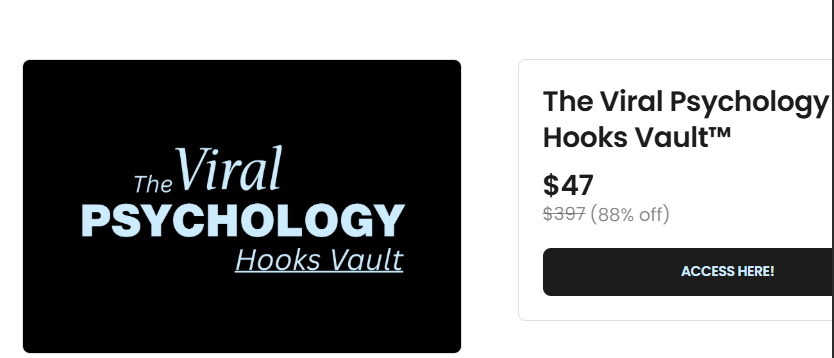
Along the way, we’ll also reference practical frameworks and resources—such as thebranding – Viral Psychology Hooks Vault (5,000+ Hooks)—that systematize this approach and help marketers execute at scale without guessing.
Understanding the Psychology Behind Attention
Human attention is not random. Our brains are wired to prioritize information that feels relevant, emotional, or urgent. When a piece of content aligns with these instincts, it earns attention instantly.
The Three Core Attention Triggers
Novelty – The brain reacts strongly to what feels new, unexpected, or counter-intuitive.
Emotion – Content tied to desire, fear, curiosity, or belonging activates deeper memory pathways.
Clarity – Clear, benefit-driven messages reduce cognitive load and increase engagement.
Strong branding combines all three. A well-crafted hook introduces something surprising, ties it to an emotional payoff, and communicates value instantly.
What Makes a Hook Truly Viral?
A hook is not just a catchy sentence. It is a strategic entry point into your brand’s message. Viral hooks work because they align with how people think, not how brands want to talk.
Characteristics of High-Performance Hooks
Immediate relevance to the audience’s problem or aspiration
Specificity, avoiding vague promises
Implied transformation, showing a “before vs after” outcome
Open loops, encouraging the brain to seek closure
When brands consistently deploy these elements, their content begins to compound—each post strengthening recognition and trust.
Branding Through Psychological Consistency
One viral post can bring traffic, but consistent psychological branding builds authority. The most recognizable brands use repeated emotional themes and messaging patterns so audiences subconsciously know what to expect.
Emotional Positioning in Branding
Every strong brand occupies an emotional lane:
Confidence and dominance
Simplicity and calm
Aspiration and luxury
Rebellion and independence
Psychological hooks should reinforce this positioning, not dilute it. Over time, this creates mental shortcuts in the audience’s mind—your brand becomes the default choice.
Why Systems Beat Inspiration
Relying on inspiration alone is risky. Some days creativity flows; most days it doesn’t. High-output marketers and agencies rely on systems—repeatable structures that generate ideas consistently.
This is where curated hook libraries and frameworks become powerful. Instead of reinventing messaging daily, brands adapt proven psychological patterns to their niche.
A practical example is thebranding – Viral Psychology Hooks Vault (5,000+ Hooks), which organizes hooks by emotion, platform, and intent. Resources like this reduce experimentation costs and help teams focus on execution rather than ideation.
Applying Psychological Hooks Across Platforms
Different platforms reward different behaviors, but psychology remains constant. The same core triggers simply adapt to format and audience expectation.
Short-Form Video
Strong visual or verbal hook in the first 2 seconds
Pattern interruption
Clear payoff preview
Long-Form Content
Curiosity-driven headlines
Story-based openings
Logical flow that rewards continued reading
Ads and Landing Pages
Problem-aware messaging
Social proof and authority signals
Urgency without manipulation
When hooks are aligned across all touchpoints, branding feels cohesive rather than fragmented.
Trust, Ethics, and Long-Term Brand Value
There is a fine line between persuasive and manipulative. Sustainable branding respects the audience’s intelligence and delivers on promises.
Ethical Use of Psychological Hooks
Never exaggerate outcomes
Ensure the product or service fulfills the implied promise
Use urgency truthfully
Focus on empowerment, not fear-mongering
Brands that misuse psychological tactics may see short-term spikes but long-term erosion of trust. The goal is loyalty, not just clicks.
Turning Attention into Revenue
Attention alone doesn’t pay the bills. The real power of hooks lies in guiding audiences toward value-driven offers.
Many marketers pair psychological hooks with optimized funnels, VSLs, and product pages. For example, well-structured digital assets like this resource page—
👉 https://allcoursesavailable.com/product/fernando-oliver-ecom-vsl-blueprint-2026-updated-version/
—demonstrate how messaging, structure, and psychology combine to move visitors from curiosity to conversion.
Hooks open the door; clear offers close the sale.
Building a Scalable Content Engine
Once hooks are systemized, brands can scale content without losing quality.
Steps to Scale Effectively
Define your brand’s emotional positioning
Identify your core audience desires and pain points
Use proven hook frameworks as templates
Test, refine, and document what works
Maintain consistency across channels
Over time, this approach transforms branding from guesswork into a predictable growth engine.
Why Psychological Branding Wins in Competitive Markets
Markets get saturated quickly. Products become similar. Prices race to the bottom. Branding anchored in psychology is the true differentiator.
Brands that master hooks:
Cut through noise faster
Reduce ad costs through higher engagement
Build stronger audience relationships
Create defensible authority in their niche
This is why advanced marketers invest heavily in psychological insight rather than surface-level trends.
Final Thoughts
Virality is not luck. It is design. When branding aligns with human psychology, content becomes magnetic, messaging becomes memorable, and growth becomes scalable.
Whether you are a solo creator, agency owner, or e-commerce brand, mastering psychological hooks is no longer optional—it is foundational. Leveraging structured resources like thebranding – Viral Psychology Hooks Vault (5,000+ Hooks) can dramatically shorten the learning curve and elevate your branding from average to elite.


Reviews
There are no reviews yet.